That All May Be One / Fr. Rick Ginther
Fasting draws us closer to our God, to our neighbor and to our whole self
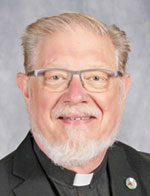 The last couple of times I saw my nurse, who also assists other priests with their health needs, she suggested I embrace “intermittent fasting.”
Such fasting provides many health benefits. So says she. So says a Google search.
I nod my head to this advice. Inside my head, however, there is a shaking left to right—“no”!
Since infancy, eating large quantities on a regular basis has been a personal norm. I like to live by this “normative” rule.
Two months ago, this column spoke to the coinciding of Lent and Ramadan. Two seasons with fasting, distinct in character, focus and duration.
As these seasons end, does our embrace of fasting also?
My clergy nurse hopes not. At least in my case.
Fasting for physical, mental and emotional reasons has been practiced for centuries. Its popularity has grown in past decades, especially to combat obesity and particular diseases in the United States.
Religious fasting is very ancient. While religious fasting may be reflective of self-help or self-improvement practices, its purpose is universally spiritual.
All world religions have mandates or encouragements for fasting.
Observant Jews fast on six days of the year. The two major fasts are Yom Kippur (Day of Atonement) and Tish B’av (Day of the Destruction of the Temple). Fasting from food and water is the mandated practice. The fasting acknowledges sins, inspires reconciliation and mourns loss.
As I explained in a previous column, Muslims fast from food, water and smoking from sunrise to sunset during the days of Ramadan. The purpose is to cultivate spiritual discipline, gratitude and empathy.
Hindus fast on new moon days and during specific festivals (e.g., Shivaratri, Saraswati and Puja).
Because Hinduism is a collection of various sects, fasting practices vary. One may refrain from food or water for a set number of days, limiting oneself to one specific vegetarian meal each day. Or they may refrain from specific foods or drinks for a set number of days.
No matter their sect, a fast is designed to purify the body and mind, develop self-discipline and show devotion to the divine.
Members of the Church of Jesus Christ of Latter-day Saints fast from food and drink for a 24-hour period on the first Sunday of each month.
Through this practice, they draw closer to God, seek blessings and prepare to receive blessings. The money saved is donated to the church to help assist the poor and the needy.
Members of the Baha’i faith fast from March 2-March 20 (Ala, the final month of the Baha’i calendar). This is a discipline for the soul, with abstaining from food as an outer symbol of a spiritual fast.
Orthodox Christians have fasting seasons during the year, most notably “Great Lent,” and extended fasts (Nativity Fast, Apostles Fast and the Dormition Fast). Weekly fast occurs on Wednesdays and Fridays. The purpose is to engender repentance, self-control and prayer.
As Catholics, we might marvel at the length and intensity of these fasting practices. Beyond our wonder, these practices share much in common.
My sister Mary has a single wooden die on her desk. Each morning, she rolls it. The clatter assaults the ears and is an immediate, poignant challenge for the day.
The six sides detail fasting from: resentment and bitterness, judging others, overspending, complaining, anger and hatred, discouragement.
Perhaps each of us can refrain from fasting from fasting as we conclude Lent.
Through our extended fast, we can draw closer to our God, our neighbor and our whole self, becoming more value-driven in Christ.
(Father Rick Ginther is director of the archdiocesan Office of Ecumenism and Interreligious Affairs. He is retired from full-time pastoral ministry, but is still active as a priest of the archdiocese.) †